01 / Access & community experience
Follow the whole journey.
How do people find a place, get inside, participate, and use what is there? Bring a building, event, public space, website, or service into focus through lived-experience review.
What you can take away: A focused review, prioritized observations, and practical next steps for your team.
For example: A developer wants feedback on the arrival and visitor experience before decisions are locked in.
Let’s discuss the scope →02 / AI & practical technology
Make the tools work for the person.
Turn a recurring task into a clearer workflow. Explore prompting, assistant planning, accessible interaction, and the human judgment needed to check what AI produces.
What you can take away: A defined workflow, reusable prompts or instructions, and a verification checklist.
For example: A small organization wants a repeatable way to prepare meeting notes or draft communications.
Let’s discuss the scope →03 / Safety & preparedness
Ask who the plan has accounted for.
Examine how a plan addresses communication, assistance, and different access needs. Lived experience can reveal assumptions worth resolving with your responsible safety team.
What you can take away: A scoped experience review and a set of gaps, questions, and priorities for qualified professionals to address.
For example: A venue wants to examine how its communication and assistance arrangements work for disabled visitors.
Let’s discuss the scope →04 / Storytelling & production
Give the full story room.
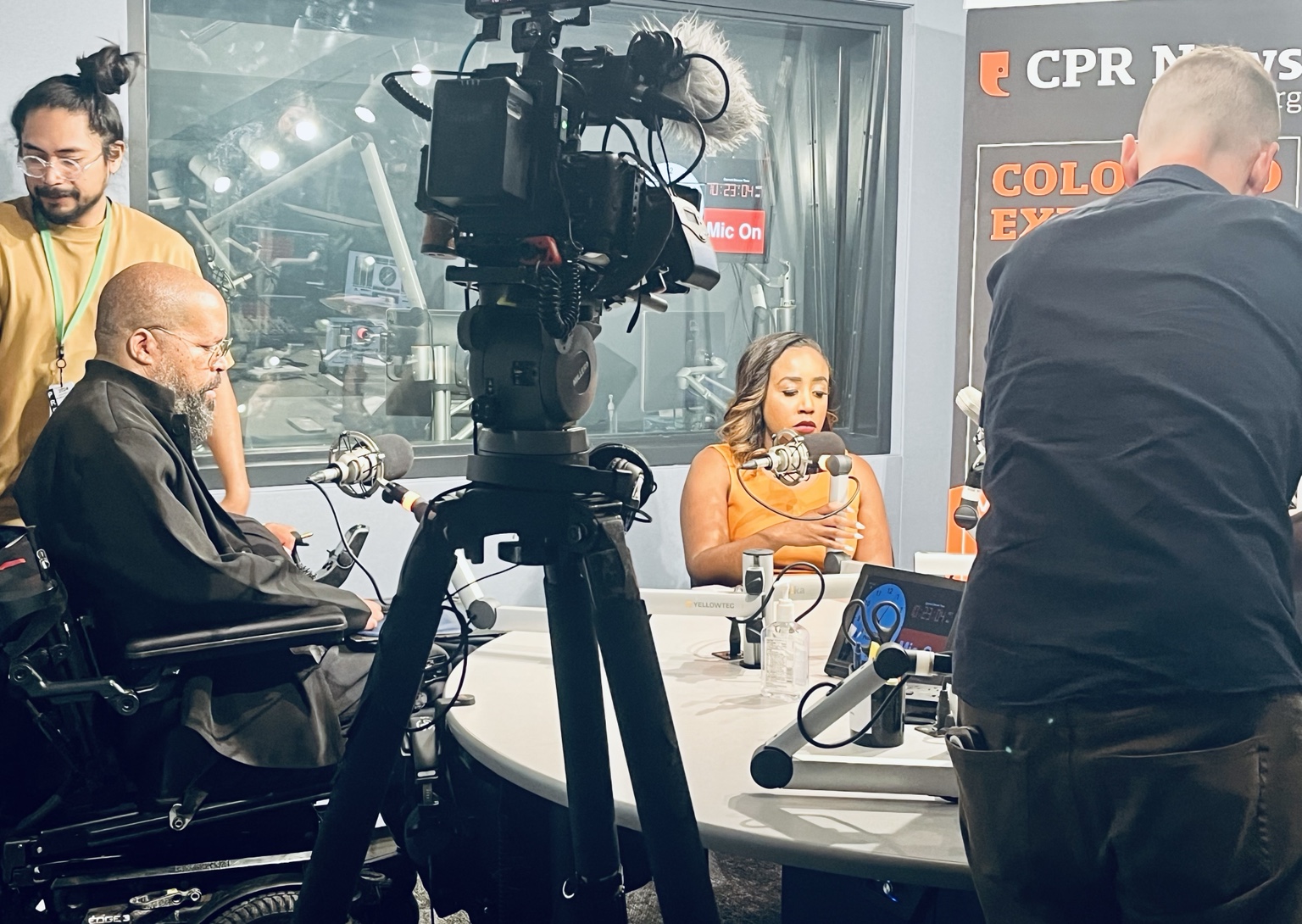
Creative direction, producing, interviews, documentary development, writing, and speaking rooted in people, culture, and context. Shape the idea and assemble the right collaborators for the work.
What you can take away: A creative brief, interview outline, treatment, production plan, or finished piece as agreed in the project scope.
For example: A community organization wants to turn lived experience into an honest short film or interview series.
Let’s discuss the scope →05 / Mentoring & learning
Think it through. Put it into practice.
Work together on a goal, try a practical assignment, and return to examine what happened. Individual mentoring and team workshops can support any of these service areas.
What you can take away: A learning goal, practical exercises, feedback, and a clear next step.
For example: A person or team wants guidance applying AI, shaping a story, or developing a community project.
Let’s discuss the scope →Examples illustrate possible engagements, not completed client projects. Experience reviews support better decisions; formal code compliance, engineering, and emergency procedures require the appropriate qualified specialists.